Blog

  • Choosing the Right Kitchen Appliances for Your Home

    Kitchen appliances play an important role in making everyday cooking easier and more enjoyable. From refrigerators and ovens to dishwashers and microwaves, the right equipment can improve the way a kitchen functions. However, choosing appliances requires more than looking at their appearance. Size, energy efficiency, features, and long-term reliability should all be considered before making a purchase.

    Start With Your Daily Cooking Needs

    Before shopping for new appliances, think about how you use your kitchen. A household that prepares meals every day may need a larger oven, a spacious refrigerator, and a reliable dishwasher. Someone who cooks occasionally may prefer simpler equipment that takes up less space.

    Consider which appliances you use most frequently. If you enjoy baking, an oven with accurate temperature controls and several cooking settings may be useful. If you prepare quick meals, a microwave or combination oven could save time. Choosing equipment based on your routine helps prevent unnecessary spending.

    Pay Attention to Appliance Sizes

    One common mistake is purchasing appliances without checking their measurements. Even a high-quality refrigerator can become inconvenient if it blocks a doorway or leaves too little space for movement.

    Measure the available kitchen space before visiting a showroom or ordering online. Remember to account for doors, drawers, ventilation gaps, and access to electrical or water connections. Built-in appliances should also match the dimensions of the cabinets where they will be installed.

    Good planning helps create a balanced kitchen where appliances fit naturally without making the room feel crowded.

    Choose Energy-Efficient Models

    Energy efficiency is an important consideration when buying kitchen appliances. Refrigerators, freezers, ovens, and dishwashers can contribute to household energy consumption, particularly when they are used regularly.

    Compare energy labels and estimated running costs before making a decision. An appliance with a higher purchase price may offer savings over time if it uses less electricity or water.

    Useful features such as eco-wash programs, adjustable refrigerator temperatures, and automatic power-saving settings can also help reduce unnecessary consumption.

    Balance Appearance With Practical Features

    Modern kitchen appliances are available in many finishes, including stainless steel, black, white, and integrated designs. Matching finishes can create a coordinated appearance, but style should not be the only deciding factor.

    Look closely at practical details. A refrigerator with adjustable shelves can make food storage easier, while an oven with easy-clean surfaces can reduce maintenance. Dishwashers with flexible racks may be especially useful for households that regularly wash large pots and pans.

    Choose features that solve real problems rather than paying extra for functions you are unlikely to use.

    Consider Noise and Maintenance

    Kitchen appliances should work efficiently without creating unnecessary noise. This is particularly important in open-plan homes where the kitchen connects directly to living and dining areas.

    Check noise ratings when comparing dishwashers, refrigerators, and extractor fans. Also, consider how easy each appliance will be to clean and maintain. Removable filters, accessible components, and smooth interior surfaces can make regular care much simpler.

    Following the manufacturer’s maintenance instructions can help appliances operate properly for longer.

    Plan Your Appliance Budget Carefully

    It is easy to spend more than expected when purchasing several kitchen appliances at once. Creating a budget before shopping can help you focus on the items that matter most.

    Prioritize essential equipment and compare different brands, warranties, and customer reviews. Avoid choosing an appliance based only on a discount or attractive design. A dependable model that meets your household’s needs may offer better value than an expensive product with unnecessary features.

    It is also worth checking installation requirements and delivery costs before placing an order.

    Create a Kitchen That Works Better

    The right appliances can make a kitchen more comfortable, efficient, and enjoyable to use. By considering cooking habits, available space, energy consumption, and maintenance requirements, homeowners can make better purchasing decisions.

    A well-equipped kitchen does not need to contain every modern gadget. It simply needs reliable appliances that support everyday activities and complement the overall design of the room.
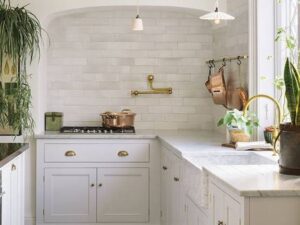
  • Designing a Kitchen That Combines Comfort and Functionality

    A kitchen is much more than a room for preparing food. It is an essential part of a home where daily routines begin, family members gather, and meals bring people together. Having a comfortable and organized kitchen can make household activities easier while creating a welcoming atmosphere. Whether someone is renovating an existing kitchen or planning a completely new one, choosing the right design and features can make a significant difference.

    A successful kitchen begins with a layout that supports everyday activities. The placement of the refrigerator, sink, stove, and countertops should allow easy movement while providing enough room for food preparation. An organized arrangement saves time and makes cooking more convenient. For smaller homes, compact cabinets and space-saving furniture can help create a practical cooking area without making it feel crowded.

    Cabinets are among the most noticeable features of any kitchen. They provide essential storage while contributing to the overall interior design. Homeowners can choose from traditional wooden finishes, modern glossy surfaces, or simple painted cabinets. The best option depends on personal preferences, available space, and budget. Adding deep drawers and adjustable shelves can also improve storage capacity.

    Countertops are another important investment because they experience frequent use. Preparing vegetables, mixing ingredients, and arranging dishes all require a reliable working surface. Materials such as granite, quartz, and laminate offer different benefits in terms of appearance, durability, and maintenance. Choosing a countertop that is easy to clean can help keep the kitchen looking attractive.

    Modern appliances have made cooking and cleaning more convenient. Refrigerators help preserve fresh ingredients, ovens provide different cooking options, and dishwashers reduce the effort required to clean kitchenware. Small appliances such as blenders, mixers, and electric kettles are also useful for everyday tasks. Selecting equipment according to household needs prevents unnecessary expenses and saves valuable counter space.

    Another feature that deserves attention is kitchen lighting. A combination of natural and artificial lighting can improve both appearance and functionality. Large windows allow sunlight to brighten the room, while ceiling fixtures provide general illumination. Additional lights beneath cabinets can make food preparation easier, especially during the evening.

    Cleanliness and hygiene are essential for maintaining a healthy cooking environment. Kitchen surfaces should be cleaned regularly, food waste should be disposed of properly, and cooking equipment should receive routine maintenance. Keeping raw and cooked foods separate and storing ingredients at appropriate temperatures also helps support food safety. Good ventilation can reduce moisture, smoke, and unpleasant cooking odors.

    Color combinations and decorations help create a personal atmosphere. Soft neutral shades can make a kitchen feel spacious, while natural wood elements add warmth. Decorative tiles, attractive containers, indoor plants, and coordinated accessories can introduce style without overwhelming the room. Even simple changes can give an older kitchen a refreshed appearance.

    Ultimately, a comfortable kitchen is created through careful decisions rather than expensive additions. A practical layout, sufficient storage, dependable appliances, suitable lighting, and regular cleaning all contribute to a better cooking experience. By combining these elements, homeowners can develop a beautiful and functional kitchen that remains enjoyable for everyday family life.

  • Beautiful Kitchen Backsplash Ideas for Every Home

    A kitchen backsplash is a useful design feature that protects walls while adding personality to the cooking area. It is usually installed behind sinks, hobs, and worktops where water, grease, and food splashes are common. Choosing the right backsplash can improve the appearance of the entire kitchen without requiring a complete renovation. With different materials, colors, and patterns available, homeowners can find an option that suits their budget and interior style.

    Explore Classic Ceramic Tiles

    Ceramic tiles remain a popular choice for kitchen backsplashes because they are available in numerous sizes, colors, and designs. Their smooth surfaces are generally easy to clean, making them suitable for areas that experience regular splashes.

    Subway tiles are particularly popular because their simple rectangular shape creates a clean and timeless appearance. They can be arranged in traditional brick patterns, vertical layouts, or other creative designs. White tiles provide a bright finish, while darker colors can introduce contrast.

    Add Character With Natural Stone

    Natural stone backsplashes can give a kitchen a distinctive and elegant appearance. Materials such as marble, granite, and slate offer unique textures and patterns that cannot be perfectly replicated.

    Stone surfaces can work particularly well with wooden cabinets and neutral worktops. However, some natural stones require sealing and specialized cleaning products. Homeowners should understand these maintenance requirements before choosing a particular material.

    Consider Glass Backsplash Panels

    Glass backsplash panels are another option for contemporary kitchens. Their smooth surfaces create a sleek appearance and can reflect light around the room. This can be especially helpful in smaller kitchens that need a brighter atmosphere.

    Glass panels are available in different colors and finishes, allowing homeowners to coordinate them with existing cabinets and worktops. Professional installation is often recommended to achieve accurate measurements and a neat finish around electrical outlets and fixtures.

    Experiment With Different Colors

    A backsplash can introduce color without requiring major changes to the kitchen. Neutral shades such as cream, grey, and beige provide a subtle appearance, while green, blue, or darker tones can create a more noticeable feature.

    The chosen color should complement the cabinets and worktops. If the kitchen already contains bold colors or decorative patterns, a simpler backsplash may provide better balance. In a more neutral room, patterned tiles can become an attractive focal point.

    Choose Easy-to-Clean Surfaces

    Appearance is important, but practicality should remain a priority. The backsplash behind a cooking area may collect grease, while the section near a sink can experience frequent water splashes.

    Smooth, non-porous surfaces are generally easier to maintain. Homeowners should also consider grout because it may require additional cleaning to prevent stains and discoloration. Selecting suitable materials can reduce the time needed for routine kitchen maintenance.

    Extend the Backsplash for a Modern Finish

    Some kitchen designs use backsplash materials that continue from the worktop up the entire wall. This approach creates a consistent appearance and reduces the number of visible material transitions.

    A continuous stone or quartz backsplash can look particularly attractive in contemporary interiors. It may also reduce grout lines, depending on the material and installation method. Accurate measurements are essential to achieve a professional result.

    Plan Installation Carefully

    Before purchasing backsplash materials, measure the wall area and account for sockets, switches, cabinets, and other fixtures. Ordering a little extra material can help cover cutting mistakes or future repairs.

    The wall should be clean, dry, and properly prepared before installation begins. Professional assistance may be useful for natural stone, large glass panels, and complicated tile patterns.

    Conclusion

    A well-chosen kitchen backsplash combines wall protection with attractive interior design. Ceramic tiles, natural stone, glass panels, and coordinated colors offer different ways to improve the cooking space. By considering cleaning requirements, material quality, and the existing kitchen style, homeowners can create a backsplash that remains practical and beautiful for years.

  • How to Make Your Kitchen More Practical, Stylish, and Organized

    A well-maintained kitchen can make everyday life easier and more enjoyable. It is an important space where families prepare meals, share conversations, and develop healthy eating habits. From choosing suitable furniture to organizing cooking supplies, every small improvement can contribute to a more comfortable environment. A kitchen does not have to be large or expensive to look beautiful. With thoughtful planning and practical choices, any space can become attractive and functional.

    One of the best ways to improve a kitchen is by creating an efficient layout. Cooking becomes easier when the refrigerator, sink, stove, and preparation surfaces are arranged conveniently. Homeowners should make sure there is enough room to move around without obstacles. A practical layout also helps prevent overcrowding, especially in homes where several family members use the kitchen throughout the day.

    Storage solutions can make a significant difference in keeping everything organized. Cabinets with adjustable shelves, spacious drawers, and built-in organizers provide convenient places for cookware, plates, glasses, and ingredients. Using transparent containers for dry food products can also make it easier to identify supplies. Proper storage keeps countertops clear and gives the kitchen a neat appearance.

    Selecting the right materials is another important part of kitchen improvement. Countertops should be durable enough to handle regular cooking activities, while cabinets should be made from materials that suit the household’s budget and maintenance preferences. Ceramic tiles, quartz surfaces, and quality wooden finishes are among the options available for different interior styles. Choosing materials carefully can help maintain the kitchen’s appearance for many years.

    Modern appliances offer additional convenience for busy households. Refrigerators, electric ovens, cooking ranges, microwaves, and dishwashers help simplify different kitchen tasks. Energy-efficient appliances are worth considering because they may reduce electricity consumption while providing reliable performance. Before buying any product, it is helpful to compare its size, features, warranty, and maintenance requirements.

    Lighting and ventilation are equally important for creating a pleasant cooking environment. Good lighting makes it easier to prepare ingredients and work safely around cooking equipment. Windows can bring natural light into the room, while exhaust fans and range hoods help remove smoke, steam, and cooking odors. A properly ventilated kitchen feels fresher and more comfortable.

    Maintaining cleanliness should remain part of the daily routine. Washing dishes, wiping countertops, cleaning the stove, and sweeping the floor help prevent dirt and grease from accumulating. Food should be stored properly to maintain freshness and reduce waste. Regularly checking refrigerators and pantry shelves also helps homeowners manage groceries more effectively.

    The visual appearance of a kitchen can be improved through simple decorative choices. Coordinated cabinet handles, attractive backsplashes, stylish curtains, and small plants can create a welcoming atmosphere. Neutral colors offer a timeless look, while carefully selected brighter accents can introduce personality and warmth.

    In the end, an ideal kitchen is a combination of comfort, cleanliness, organization, and attractive design. By focusing on practical storage, suitable appliances, durable materials, and proper lighting, homeowners can create a space that supports their everyday needs. A thoughtfully arranged kitchen makes meal preparation easier and adds lasting value to the home.

  • Choosing the Best Kitchen Flooring for Your Home

    Kitchen flooring plays an important role in the comfort, appearance, and functionality of a home. Unlike flooring in bedrooms or living rooms, kitchen surfaces must handle frequent foot traffic, food spills, moisture, and regular cleaning. Choosing the right material can make everyday activities easier while improving the overall interior design. Homeowners should consider durability, appearance, maintenance, and budget before making a final decision.

    Consider the Practical Requirements

    Before selecting kitchen flooring, think about how the space is used. A busy family kitchen may need a durable surface that can withstand frequent movement and accidental spills. A smaller kitchen used by one or two people may have different requirements.

    Water resistance is particularly important because spills can happen during cooking and cleaning. The flooring should also provide a suitable level of grip to reduce the risk of slipping. Considering these practical details helps narrow down the available options.

    Explore Porcelain and Ceramic Tiles

    Porcelain and ceramic tiles are popular choices for kitchen flooring because they are available in many colors, patterns, and finishes. They are generally easy to clean and can complement both traditional and contemporary interiors.

    Porcelain tiles are often selected for their density and durability. Ceramic tiles can provide an attractive alternative at different price points. Homeowners should pay attention to surface texture because highly polished tiles may become slippery when wet.

    Consider Luxury Vinyl Flooring

    Luxury vinyl flooring offers a practical combination of appearance and convenience. It is available in designs that imitate natural wood, stone, and decorative tiles. This allows homeowners to achieve different interior styles without necessarily using more expensive materials.

    Many vinyl flooring products are designed to resist everyday moisture and are comfortable underfoot. However, installation requirements and product quality can vary. Checking the manufacturer’s specifications is important before selecting a particular option.

    Look at Engineered Wood Options

    Wood flooring can introduce warmth and natural character into a kitchen. However, traditional solid wood may be more vulnerable to changes in moisture and temperature.

    Engineered wood is constructed in layers and may offer greater dimensional stability than solid timber. It can be a suitable choice in some kitchens when the product is approved for the intended environment and installed correctly. Spills should still be cleaned promptly to protect the surface.

    Match Flooring With Your Kitchen Design

    Flooring should complement the cabinets, worktops, and wall finishes. Light-colored floors can help create a bright and open appearance, while darker shades may add depth and contrast.

    Wood-effect flooring works well with many cabinet colors because it introduces a natural texture. Stone-effect tiles can provide a more refined appearance, particularly when combined with simple cabinetry. Taking samples home and viewing them under different lighting conditions can help homeowners make a confident choice.

    Understand Installation and Maintenance Costs

    The cost of kitchen flooring includes more than the material itself. Underfloor preparation, removal of existing surfaces, adhesives, fitting, and finishing can all affect the total budget.

    Some materials require specialist installation, while others may be suitable for simpler fitting methods. Maintenance should also be considered. Choosing a surface that is easy to clean and does not require frequent treatment can save time over the years.

    Hire a Suitable Flooring Professional

    Professional installation can help ensure that kitchen flooring is level, secure, and properly finished. Experienced installers can assess the subfloor, recommend suitable preparation, and explain the requirements of different materials.

    Before hiring someone, compare quotations and confirm what the service includes. It is also useful to ask about installation times, warranties, and aftercare recommendations.

    Conclusion

    The best kitchen flooring should combine durability, safety, attractive design, and manageable maintenance. Porcelain tiles, ceramic surfaces, luxury vinyl, and engineered wood each offer different advantages. By comparing materials and considering everyday household needs, homeowners can choose flooring that makes their kitchens more comfortable and visually appealing.

  • Modern Kitchen Design Ideas for a Comfortable Home

    The kitchen is one of the busiest and most valuable areas of a home. It is where delicious meals are prepared, family members spend time together, and daily household routines take place. A comfortable and attractive kitchen can make cooking more enjoyable while improving the overall appearance of a house. With thoughtful planning, even an ordinary cooking space can become a beautiful and practical environment.

    Modern kitchen design focuses on combining style with convenience. Homeowners today have many options when choosing cabinets, countertops, flooring, and appliances. Simple designs with clean lines and neutral colors are especially popular because they create a fresh and organized appearance. White, beige, gray, and natural wood tones can make a kitchen feel welcoming and timeless.

    Storage is one of the most important considerations when planning a kitchen. Without proper storage, cooking utensils, dishes, and ingredients can quickly create clutter. Installing spacious cabinets, pull-out drawers, corner shelves, and pantry organizers helps make better use of available space. Keeping similar items together also makes it easier to find everything when preparing meals.

    The choice of kitchen appliances can influence both convenience and energy consumption. A reliable refrigerator helps preserve groceries, while a quality stove and oven make cooking different dishes easier. Modern dishwashers and microwaves can also reduce the time spent on everyday household tasks. Selecting appliances that match the kitchen layout ensures that the space remains comfortable and functional.

    Countertops deserve special attention because they are used for many daily activities. A strong, easy-to-clean surface provides a suitable area for chopping vegetables, mixing ingredients, and arranging meals. Quartz, granite, and other durable materials offer attractive options for different budgets and design preferences. Regular maintenance helps preserve their appearance and usefulness.

    Lighting is another feature that should never be overlooked. A bright kitchen makes food preparation safer and more comfortable. Natural light from windows can create an open atmosphere, while ceiling lights and task lighting improve visibility in important working areas. Decorative pendant lights above an island or dining counter can also add character to the room.

    Cleanliness plays a major role in maintaining a healthy kitchen. Food spills should be cleaned promptly, kitchen surfaces should be sanitized regularly, and waste should be removed before unpleasant odors develop. Proper ventilation is also helpful because it reduces cooking smells, smoke, and excess moisture. These simple habits help keep the kitchen fresh and pleasant.

    Personal decoration can make a kitchen feel more connected to the rest of the home. Fresh flowers, small indoor plants, attractive storage jars, and matching accessories can add beauty without taking up too much space. Choosing decorations that complement the cabinets and countertops creates a balanced appearance.

    Ultimately, a successful kitchen is one that meets the needs of the people who use it every day. It does not require expensive furniture or complicated technology to look impressive. Smart storage, suitable appliances, durable materials, and regular cleaning can create a comfortable cooking environment. With the right choices, any homeowner can enjoy a kitchen that combines beauty, convenience, and lasting functionality.

  • Smart Ways to Organize a Busy Kitchen

    An organized kitchen makes everyday household activities easier and more enjoyable. When ingredients, cookware, utensils, and appliances have designated places, preparing meals becomes less stressful. A tidy kitchen also creates a more comfortable environment for family members and guests. With a few practical changes, homeowners can make better use of their available space and maintain a cleaner cooking area.

    Arrange Kitchen Items by Purpose

    One of the easiest ways to improve kitchen organization is to group similar items together. Cooking utensils should be stored near the preparation area, while plates and glasses can be placed close to the dining space. Keeping baking equipment in one cabinet and everyday cookware in another makes it easier to find the right items.

    This arrangement also reduces unnecessary movement during meal preparation. Instead of searching through several drawers, everything can be accessed from a convenient location.

    Make Pantry Storage More Efficient

    A well-organized pantry helps households manage groceries and avoid buying products they already have. Dry ingredients such as flour, rice, pasta, cereals, and spices can be stored in clearly labelled airtight containers.

    Transparent containers make it easier to identify their contents without opening every box. Grouping ingredients according to their type also creates a more orderly appearance. Placing frequently used products at eye level improves convenience during cooking.

    Use Drawer Dividers and Organizers

    Kitchen drawers can quickly become crowded when utensils are placed together without any arrangement. Drawer dividers provide separate spaces for spoons, forks, knives, and other cooking tools.

    Larger drawers can accommodate pots, pans, and food preparation equipment. Adjustable organizers are particularly useful because they can be changed according to the size of the items being stored. These simple additions make drawers easier to use and maintain.

    Keep Frequently Used Appliances Accessible

    Small appliances such as kettles, toasters, blenders, and coffee machines are useful, but displaying too many of them can reduce available worktop space. Keep everyday equipment accessible while storing occasional-use appliances in suitable cabinets.

    Before arranging appliances, consider their size, electrical requirements, and distance from water sources. Keeping cables organized and following manufacturer safety instructions helps maintain a practical workspace.

    Take Advantage of Unused Kitchen Space

    Many kitchens have areas that are not used effectively. The space beneath the sink, inside cabinet doors, and above certain appliances can provide additional storage opportunities.

    Under-sink organizers can help separate cleaning products, while door-mounted racks can hold lightweight supplies. Narrow pull-out shelves may also fit between cabinets or appliances. Using these overlooked spaces can improve storage without requiring major renovation work.

    Create a Dedicated Cleaning Station

    Cleaning supplies should be stored together in a convenient and secure location. A small cabinet beneath the sink can hold suitable cleaning products, cloths, sponges, and rubbish bags.

    Keeping these items organized makes routine cleaning quicker. Products should remain in their original containers and be stored safely away from children and pets. Avoid mixing cleaning chemicals, as certain combinations can produce dangerous fumes.

    Review Kitchen Storage Regularly

    Kitchen organization is not a one-time activity. Cupboards and drawers should be reviewed occasionally to remove broken utensils, unused equipment, and expired food products.

    Seasonal items and special cooking equipment can be stored separately from everyday essentials. This keeps frequently accessed areas less crowded and makes it easier to maintain the overall arrangement.

    Conclusion

    An organized kitchen supports a smoother cooking routine and creates a more pleasant home environment. Grouping similar items, improving pantry storage, using drawer dividers, and making better use of unused spaces can produce noticeable improvements. By maintaining simple organizational habits, homeowners can keep their kitchens practical, tidy, and ready for everyday use.

  • Creating a Functional and Beautiful Kitchen for Everyday Living

    A kitchen is an essential part of every home because it provides a comfortable space for preparing meals, storing food, and spending quality time with family. A thoughtfully designed kitchen can make daily routines easier and create a pleasant atmosphere for everyone. Whether it is a traditional kitchen or a modern cooking space, the right combination of design, organization, and useful features can improve its overall appearance and functionality.

    One of the first things to consider when designing a kitchen is the available space. A good layout allows people to move comfortably between the refrigerator, sink, and cooking area. Proper placement of cabinets and appliances can make cooking more convenient and prevent unnecessary movement. Homeowners should also consider their daily habits when deciding how much storage and counter space they need.

    Cabinetry is an important feature that influences both the appearance and usefulness of a kitchen. Modern cabinets come in different materials, colors, finishes, and designs. Wooden cabinets create a warm and timeless appearance, while glossy finishes can give the room a clean and contemporary look. Adding well-designed drawers and storage compartments helps keep kitchen essentials organized.

    Choosing suitable kitchen appliances is equally important. Refrigerators, ovens, microwaves, dishwashers, and cooking ranges make household tasks easier. Before purchasing appliances, homeowners should compare their features, energy efficiency, size, and maintenance requirements. Selecting products that match the available space helps maintain a balanced and organized environment.

    Another important element is the kitchen countertop. Since countertops are used regularly for preparing ingredients, cutting vegetables, and arranging meals, they should be durable and easy to maintain. Granite, quartz, and other practical surfaces are popular choices for different kitchen styles. A suitable backsplash can also protect walls from cooking splashes while adding an attractive decorative feature.

    Keeping the kitchen clean and organized makes a noticeable difference in everyday comfort. Washing dishes regularly, cleaning cooking surfaces, and arranging food supplies properly can help maintain a hygienic environment. Using storage containers and labeled jars also makes ingredients easier to find. Small organizational improvements can save time and reduce clutter.

    Color selection and lighting contribute greatly to the overall atmosphere. Light shades can make smaller kitchens appear more spacious, while darker colors can create an elegant appearance when balanced with suitable lighting. Pendant lights, ceiling fixtures, and under-cabinet lighting provide both decoration and practical illumination.

    A kitchen should also reflect the lifestyle and preferences of the people who use it. Some families prefer spacious cooking areas with large dining spaces, while others need compact designs that make the best use of limited rooms. Adding comfortable seating, decorative plants, and attractive accessories can make the space more welcoming.

    In conclusion, creating a beautiful and functional kitchen requires careful planning and attention to everyday needs. From selecting durable materials to improving storage and maintaining cleanliness, every detail contributes to a better cooking experience. A well-organized kitchen not only supports comfortable meal preparation but also becomes a valuable and enjoyable part of family life.

  • How to Create a Timeless Kitchen Interior

    A kitchen is a long-term investment that should remain attractive and functional despite changing interior design trends. While modern styles can look impressive, choosing features that never go out of fashion can help homeowners avoid frequent renovations. A timeless kitchen combines classic materials, balanced colors, practical furniture, and thoughtful details to create a space that feels comfortable for years.

    Choose Classic Cabinet Designs

    Cabinets are among the most noticeable elements of a kitchen. Simple designs with clean lines can suit traditional and contemporary homes alike. Shaker-style cabinets are particularly popular because their understated appearance works with many decorating styles.

    White, cream, soft grey, and natural wood finishes are reliable choices for creating a lasting look. These shades can be combined with different worktops, flooring materials, and decorative accessories. Quality construction is equally important because cabinets experience regular opening, closing, and everyday use.

    Invest in Durable Natural Materials

    Natural materials can give a kitchen warmth and character. Stone worktops, wooden cabinets, ceramic tiles, and carefully selected metal fixtures offer distinctive textures that complement classic interiors.

    When choosing materials, consider how they will perform over time. Some surfaces require regular sealing or special cleaning products, while others need very little maintenance. Selecting materials that suit the household’s lifestyle can help maintain their appearance without creating unnecessary work.

    Select a Balanced Color Palette

    A timeless kitchen usually benefits from a coordinated color scheme. Neutral shades create a flexible foundation and make it easier to update smaller decorative features in the future.

    Homeowners can introduce subtle contrast through darker cabinet handles, natural wood accents, or a colored backsplash. Rather than using too many competing shades, keeping the palette simple helps create a calm and visually balanced environment.

    Focus on Functional Storage

    Good storage is essential for maintaining an organized kitchen. Deep drawers, adjustable shelves, pull-out cabinets, and dedicated pantry spaces can help keep cookware and ingredients in their proper places.

    Storage should reflect everyday habits. Frequently used utensils and cooking equipment should be easy to reach, while occasional items can be kept in less accessible cabinets. A practical arrangement makes the kitchen easier to maintain and prevents work surfaces from becoming overcrowded.

    Install Lighting That Suits Every Activity

    Lighting should be both attractive and useful. General ceiling lights provide illumination throughout the room, while task lighting helps make food preparation safer and more comfortable.

    Pendant lights above a kitchen island can introduce a decorative feature without dominating the design. Under-cabinet lighting is another useful addition because it brightens worktops and reduces shadows. Choosing fixtures with simple shapes can help the lighting remain stylish as interior trends change.

    Avoid Overly Complicated Decorations

    Decorative features can make a kitchen feel personal, but excessive details may quickly make the room appear crowded. Simple wall finishes, attractive hardware, and a few carefully selected accessories often create a more lasting impression.

    Indoor plants, framed artwork, and decorative containers can add character without requiring major changes. These smaller features are also easy to replace when homeowners want to refresh the interior.

    Maintain Quality Through Regular Care

    Even the best kitchen design needs proper maintenance. Cleaning surfaces, checking cabinet fittings, maintaining appliances, and repairing small problems promptly can protect the room from unnecessary damage.

    Using appropriate cleaning products for each material is particularly important. Regular care helps preserve finishes and allows homeowners to enjoy their investment for longer.

    Conclusion

    A timeless kitchen is built around thoughtful choices rather than short-lived trends. Classic cabinets, durable materials, balanced colors, useful storage, and suitable lighting create an interior that remains attractive and practical. By focusing on quality and simplicity, homeowners can enjoy a welcoming kitchen that continues to suit their home and lifestyle for many years.

  • Modern Kitchen Trends That Improve Everyday Living

    Kitchen design continues to evolve as homeowners look for spaces that combine attractive interiors with practical features. Modern kitchens are no longer designed only for cooking. They often serve as dining areas, social spaces, and convenient places for everyday household activities. Choosing the right design features can make a kitchen more comfortable while giving the home a fresh and contemporary appearance.

    Embrace Natural and Neutral Colors

    Neutral colors remain popular because they create a calm and balanced atmosphere. Shades such as warm white, soft grey, beige, and cream work well with different cabinet styles and decorative materials.

    Natural colors can also make a kitchen feel more connected to the outdoors. Green cabinets, wooden finishes, and stone-inspired surfaces introduce warmth without making the room look overly decorated. Combining two or three complementary shades can create a stylish interior that remains appealing over time.

    Install Smart Kitchen Technology

    Technology is becoming an important part of modern kitchen design. Smart appliances offer features that can make household tasks more convenient. Some refrigerators provide temperature controls and food management functions, while modern ovens may include programmable cooking settings.

    Touchless taps can also improve convenience by reducing the need to handle controls with messy hands. Smart lighting systems allow homeowners to adjust brightness according to different activities. Selecting technology that genuinely supports daily routines can make the kitchen more efficient.

    Introduce Open Shelving

    Open shelving provides an alternative to traditional closed cabinets. It allows frequently used plates, cups, glasses, and decorative accessories to remain accessible. Wooden shelves can create a warm appearance, while metal or glass options may suit contemporary interiors.

    However, open shelves should be arranged carefully to avoid visual clutter. Keeping similar items together and displaying only selected pieces helps maintain an organized appearance. A combination of open shelving and closed storage often provides a practical balance.

    Choose Statement Lighting

    Lighting can become an important decorative feature in a modern kitchen. Pendant fixtures above an island or dining counter can create an attractive focal point. Recessed ceiling lights provide general illumination, while LED strips beneath cabinets help brighten preparation surfaces.

    Different lighting sources make the kitchen suitable for several activities. Bright lighting supports cooking and cleaning, while softer illumination creates a relaxed atmosphere during meals and social gatherings.

    Create a Multi-Purpose Kitchen Island

    Kitchen islands have become popular because they offer several useful functions in one area. Depending on the layout, an island can provide additional worktop space, storage, seating, and even a cooking or washing area.

    A well-designed island can also improve interaction between family members. Someone preparing dinner can remain connected with people sitting nearby. Before installing one, it is important to ensure that enough space remains for comfortable movement around the kitchen.

    Focus on Sustainable Materials

    Many homeowners are paying more attention to the environmental impact of kitchen renovations. Durable materials, responsibly sourced timber, recycled surfaces, and energy-efficient appliances can support more sustainable design choices.

    Choosing long-lasting products can also reduce the need for frequent replacements. Simple habits such as reducing food waste, using reusable storage containers, and selecting efficient lighting contribute to a more responsible household routine.

    Add Personal Decorative Features

    Modern kitchen interiors do not need to feel plain or identical. Decorative tiles, indoor plants, artwork, and distinctive cabinet handles can introduce personality. A carefully selected backsplash can provide color and texture without overwhelming the rest of the design.

    The key is to choose details that complement the main materials and colors. A few well-placed accessories can make the kitchen feel more welcoming while keeping the overall appearance clean.

    Conclusion

    Modern kitchen trends focus on combining convenience, comfort, and attractive design. Natural colors, smart appliances, open shelving, statement lighting, and multi-purpose islands can improve the everyday cooking experience. By selecting features that suit the available space and household needs, homeowners can create a contemporary kitchen that remains practical and enjoyable for years.